Airport Concrete Crack Sealers for Runways, Taxiways & Aprons
Transpo manufactures industrial-grade concrete sealers engineered for the demanding conditions of airport pavement. Runways, taxiways, and aprons endure heavy aircraft loading, thermal cycling, fuel and de-icing chemical exposure, and strict requirements for controlling foreign object debris (FOD).
Cracks in airfield concrete can create FOD hazards, allow water infiltration, and accelerate pavement deterioration. Transpo’s concrete crack sealers help airport teams seal cracks quickly and durably, protecting pavement performance while minimizing disruption to airfield operations. Learn more now.
Transpo's Airport Concrete Crack Sealers
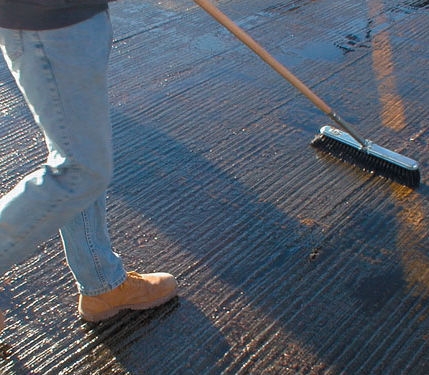
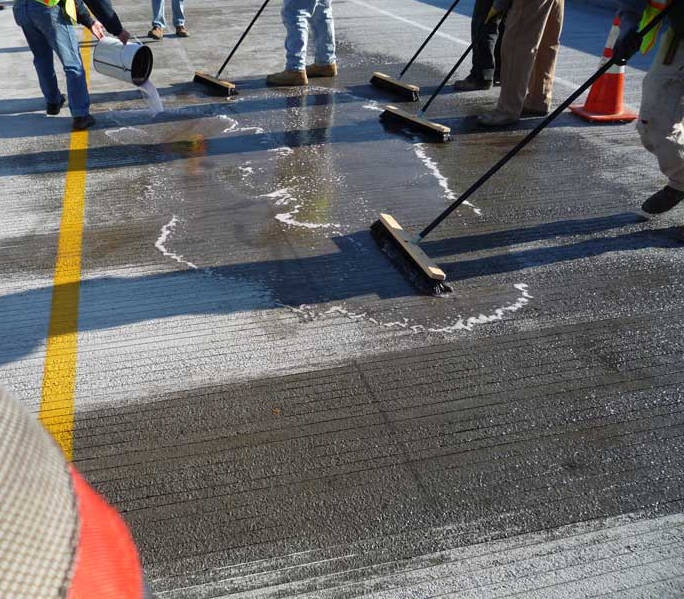
Transpo’s crack sealants use low-viscosity resin that wicks deep into narrow cracks, bonds to the crack walls, and seals the concrete against moisture and contaminants, restoring strength and reducing chloride permeability. Transpo sealers are installed in a single application with no special equipment, delivering deep crack penetration, moisture protection, chemical resistance, and long-term durability.
T-70 uses a high molecular weight methacrylate resin. Its low modulus and high elongation suit moving and thermal cracks in runways, taxiways, and hangar floors
T-78 is a rapid-cure methyl methacrylate system that sets in roughly 45 minutes at 70°F, ideal when a runway can only close briefly.
Concrete Repair: Critical for Airport Infrastructure
Poorly or unsealed sealed cracks in concrete can allow water to penetrate the slab, reach the base, and compromise pavement performance. Over time, water infiltration can weaken load transfer, accelerate steel corrosion, and contribute to spalling—turning a minor crack-sealing need into a costly slab repair.
Airfield concrete is exposed to freeze-thaw cycles, heavy aircraft loading, thermal movement, and aggressive chemicals, all of which can cause cracks to grow and deteriorate. Early, properly executed crack sealing helps prevent moisture intrusion and limit further damage.
Best Practices: Sealing Airport Concrete Cracks
Successful concrete crack repair depends on surface preparation: cracks must be clean, dry, and free of oil and old sealant so the resin can penetrate sound concrete. Sealing cracks in concrete is ongoing, with regular airfield inspection catching new, non-structural cracks early, before they progress to slab repair, maximizing long-term durability.
For airport maintenance teams, sealing concrete cracks early is one of the most cost-effective ways to protect pavement life, reduce repair costs, and maintain a safe operating environment for aircraft and the public.
Frequently Asked Questions
What is the best way to repair airport concrete cracks?
For small to medium non-structural cracks, a penetrating crack sealant like T-70 or T-78 fills and bonds in one application. Larger structural cracks may need resin injection or slab repair.
How do concrete crack sealers prevent further damage?
They block water, fuel, and de-icers, stopping freeze-thaw damage and reinforcement corrosion.
What surfaces can they be used on?
Runways, taxiways, aprons, hangar floors, parking garages, and precast concrete.
Explore Transpo's Airport Concrete Crack Sealers
Protect your airfield pavement with sealers built for aviation infrastructure. Contact a Transpo representative to specify the right solution.
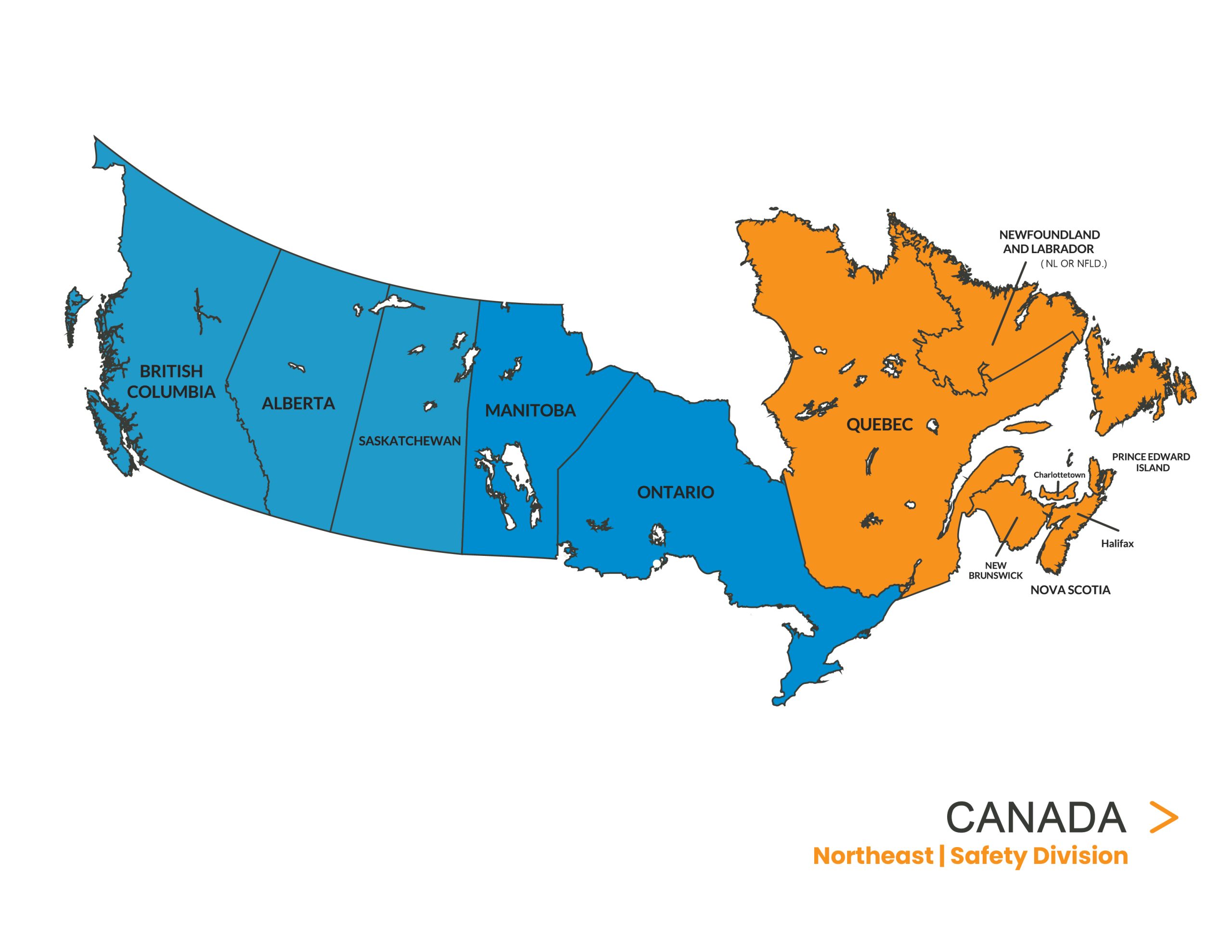
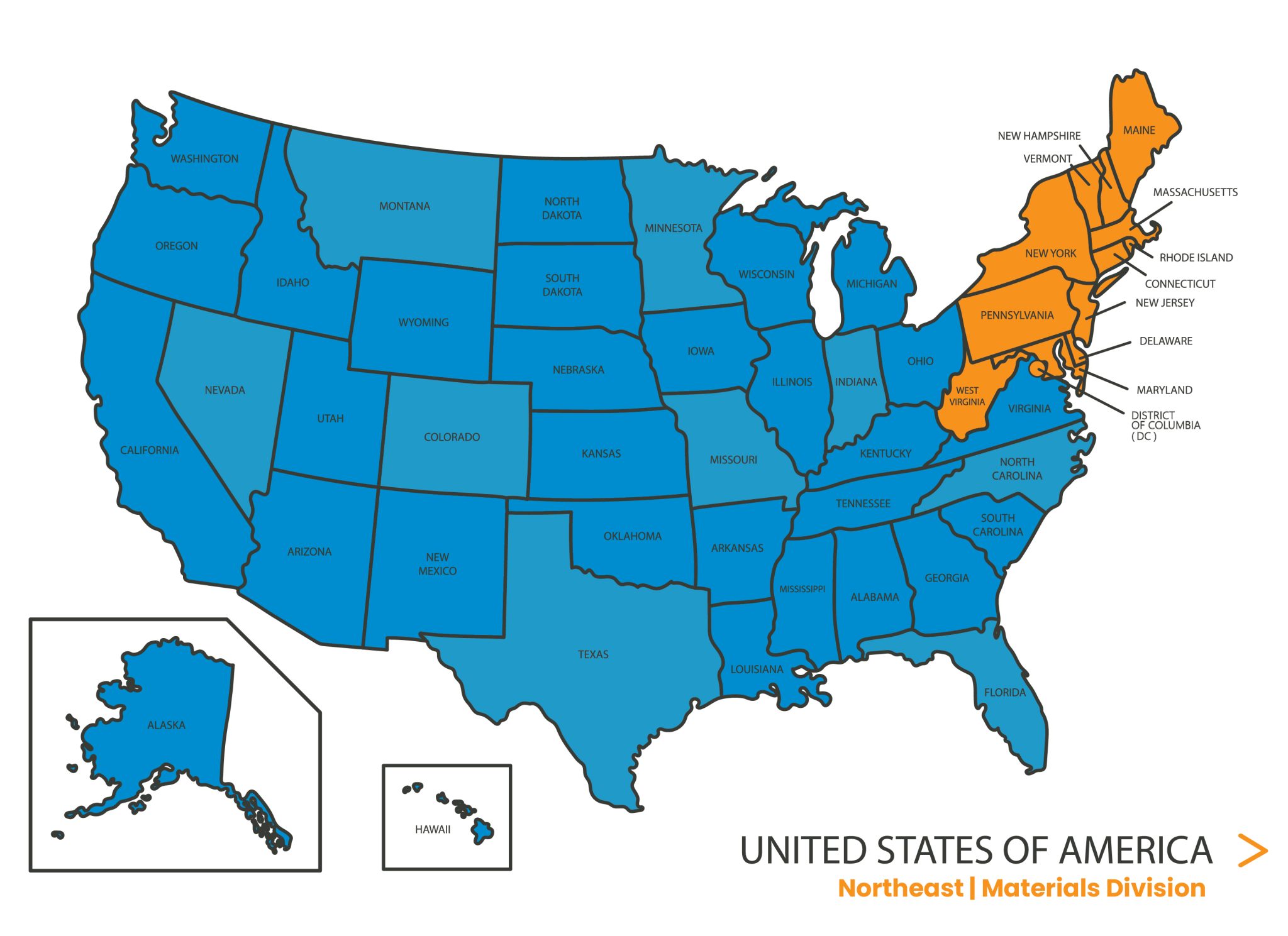
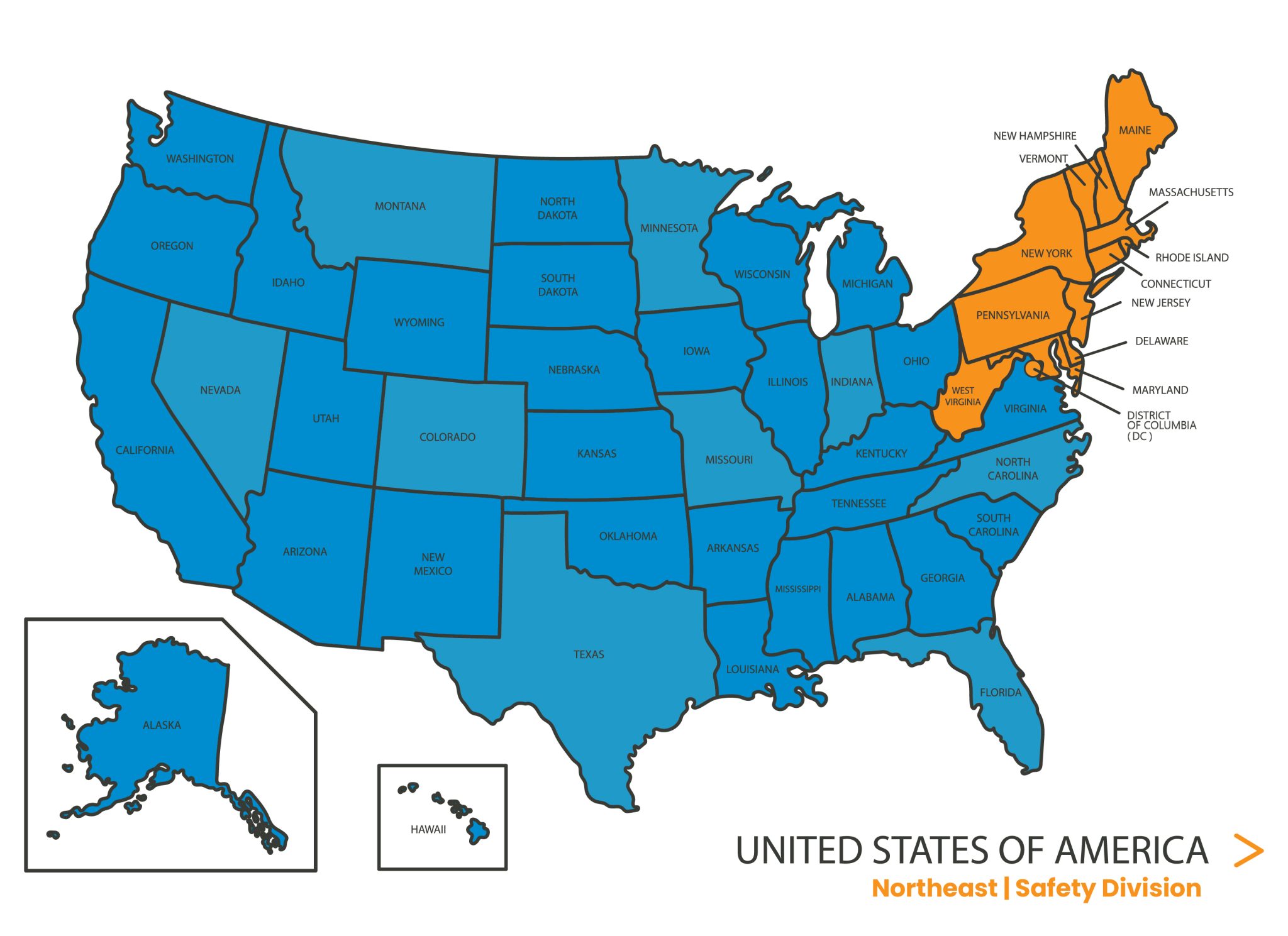
Northeast Connecticut Delaware DC Maine Maryland Massachusetts New Hampshire New Jersey New York Pennsylvania Rhode Island Vermont West Virginia
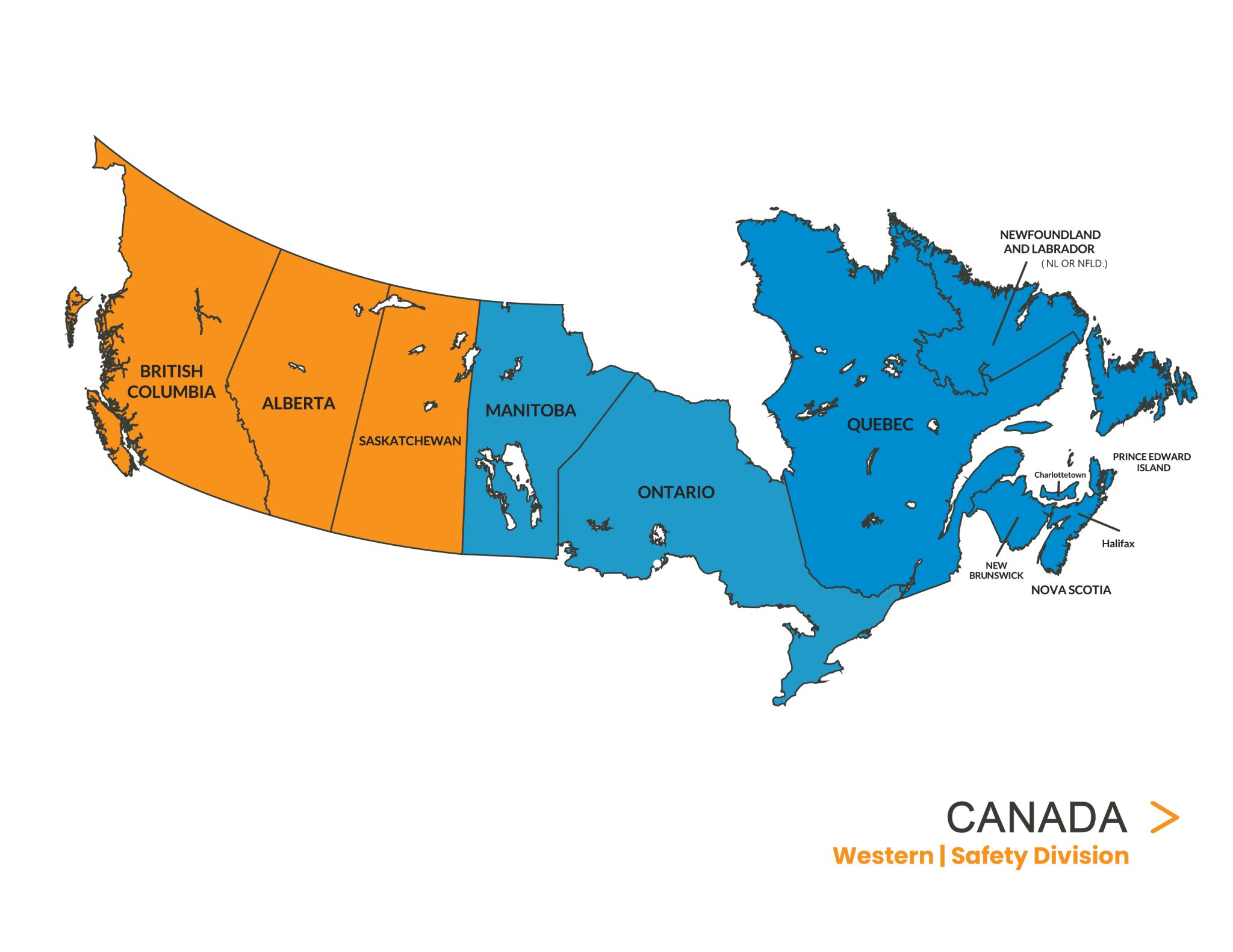
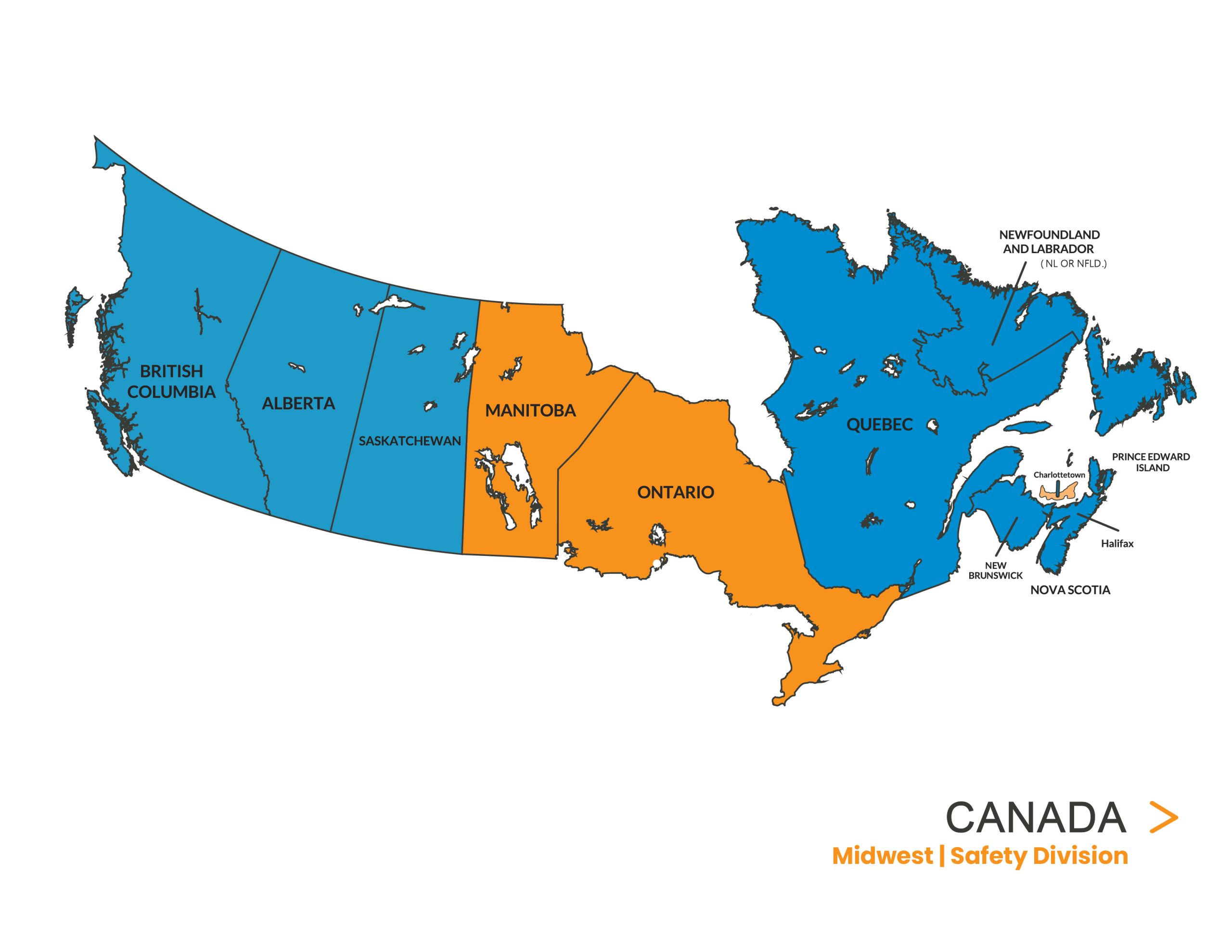
Canada Newfoundland Quebec Nova Scotia Prince Edward Island New Brunswick Halifax Charlottetown
Michael S. Stenko
CEO Emeritus
Michael S. Stenko has been a prominent member of the industry for over 30 years. His current involvement in national and regional organizations is helping develop and promote the value of Bridge Preservation practices in US infrastructure.
Mike has been appointed to the Committee on Polymer Concretes, Adhesives and Sealers, AHD40 Section – Maintenance and Preservation by the Executive Committee of the Transportation Research Board (TRB) and he is a member FHWA Bridge Preservation Task Group. His memberships include TRB, ACI, ASCE, Former Chairman of ACI Comm. on Polymer Concretes and Adhesives; and past Chair of AASHTO/AGC/ARTBA Taskforce 13 Subcommittee on highway signs and luminaries.
He has a Civil Engineering Degree from Lehigh University.
Brian Buggenhagen
Director of Business Development
Brian oversees product planning and market development for North America and International with a focus on the Safety Product Division for Airports and Highways.
Brian is an active member of American Association of Airport Executives (AAAE), along with ATSSA, and AASHTO. He has broad field experience across the scope of the Transpo product line, and acts as specialist on DRC projects for Blast Safe and Screen Safe systems. Brian is a Bachelor of Science graduate of Oregon State University. His office is based outside of Spokane, Washington.
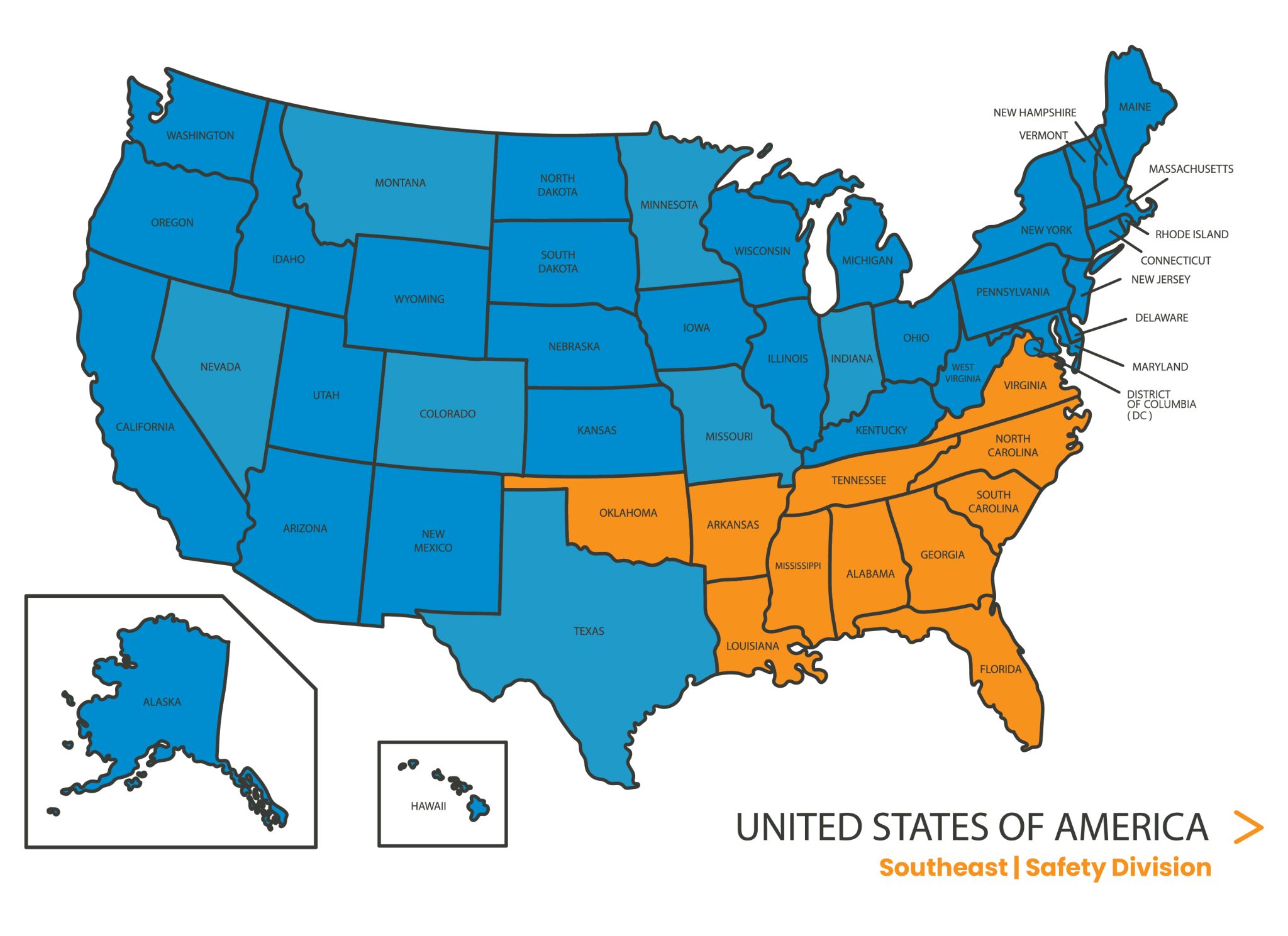
United States Connecticut Delaware DC Maine Maryland Massachusetts New Hampshire New Jersey New York Pennsylvania Rhode Island Vermont West Virginia
Canada New Brunswick NL or Nfld. Nova Scotia Prince Edward Is. Quebec
Michelle Armiento
Director of Operations
Michelle A. Armiento has been with Transpo since 2010. Recently named Director of Operations, Michelle oversees the development, manufacturing, and delivery of Transpo’s entire catalogue.
Michelle is an active member of the America Concrete Institute (ACI) Polymer Concrete Committee, the Transportation Research Board (TRB) Committee on Polymer Concrete and the American Association of Highway and Transportation Officials (AASHTO) Transportation System Preservation Technical Services (TSP2) Bridge Preservation Partnership. She is a graduate of SUNY Westchester with degrees in Engineering Sciences and Mathematics and furthered her education at NJIT.
Karen Liu
Chief Financial Officer
Karen Liu was named Chief Financial Officer of Transpo Industries, Inc. in November 2010. In this role, Karen is responsible for overseeing all financial aspects of the Company, including Financial Planning, Forecasting, Reporting and Accounting and Control; and managing the Internal Audit and Risk Management Functions. She has been with Transpo Industries, Inc. since 1996. Karen has an MBA in finance from Iona College and an MS in Electrical Engineering from NYU Polytechnic University.
Andrew Dinitz
Chairman
—
KAREN DINITZ
President
Karen A. Dinitz was named President of Transpo Industries, Inc. in 2016. Promoted from VP, Director of Marketing and Communications, Karen continues to oversee branding and communications for the Company’s three divisions and multiple product lines. Previously, Karen was a regional sales manager for Transpo Industries, Inc. where her responsibilities included sales, distributor oversight, and technical assistance; followed by a successful career in video and film; including the creation of product launches and communications projects for large corporate clients.
Karen is a member of the ARTBA Women Leaders Council (WLC). She is a graduate of the University of Pennsylvania.